
Introduction to NLP Solutions
NLP Solutions enable organizations to process, interpret, and manage human language through artificial intelligence. Every business generates large volumes of text and voice data from emails, chat platforms, customer service interactions, internal reports, and digital platforms. Without structured analysis, this information remains fragmented and difficult to utilize effectively.
End-to-end NLP solutions provide a structured framework that converts unstructured language into organized, actionable insights. These systems help enterprises automate repetitive communication tasks, detect patterns in customer conversations, and improve internal knowledge management. As digital communication continues to increase across industries, NLP Solutions have become a central component of enterprise AI strategies.
What Is Natural Language Processing (NLP) in Artificial Intelligence?
Natural Language Processing (NLP) is a field within artificial intelligence that enables machines to analyze, interpret, and generate human language. It combines computational linguistics, statistical modeling, and machine learning algorithms to process both written text and spoken words.
NLP allows AI systems to:
Identify context within sentences
Detect user intent in conversations
Analyze sentiment and emotional tone
Extract entities such as names, dates, and locations
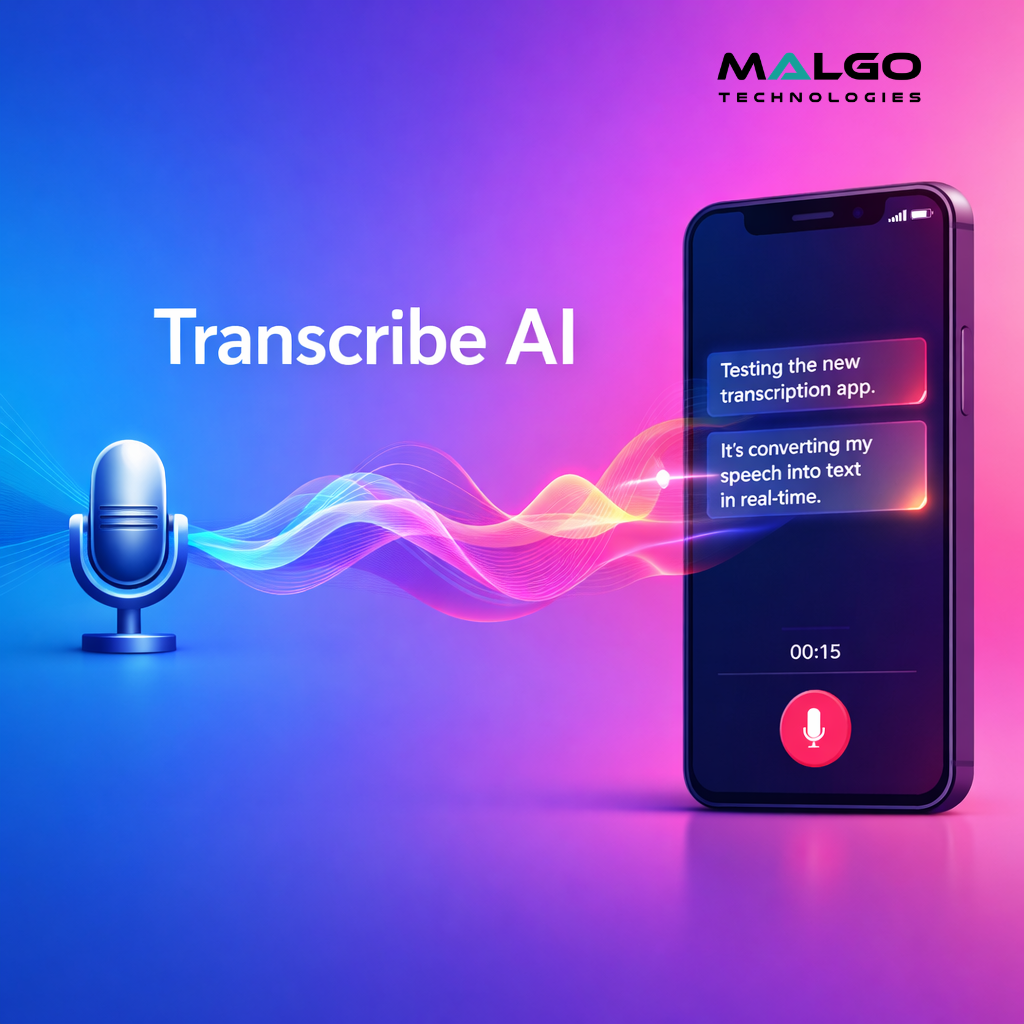
Convert speech into text
Translate content across multiple languages
This technology powers chatbots, voice assistants, automated ticketing systems, intelligent search engines, and document analysis platforms. By enabling machines to process language more accurately, NLP strengthens digital communication between users and systems.
How Does Natural Language Processing (NLP) Work Step by Step?
NLP operates through a structured sequence of processes that convert raw language into meaningful output.
1. Data Collection
Text and voice data are gathered from enterprise communication channels such as CRM systems, support chats, emails, reports, and recorded calls.
2. Data Cleaning and Normalization
The system removes noise such as irrelevant characters, formatting errors, and duplicates. Words are standardized for consistent interpretation.
3. Tokenization
Sentences are divided into smaller components like words or phrases to simplify analysis.
4. Linguistic Processing
Algorithms analyze grammar, syntax, and contextual relationships between words.
5. Model Application
Machine learning models classify data, detect sentiment, extract entities, and determine intent.
6. Output Generation
Processed results are delivered as structured datasets, automated responses, categorized documents, or summarized insights.
This workflow allows NLP Solutions to manage high communication volumes with speed and accuracy.
Key Features of Natural Language Processing (NLP) Technology
Modern NLP platforms include advanced capabilities that support enterprise automation and analytics:
Text Classification: Automated categorization of emails, tickets, and documents
Sentiment Analysis: Identification of emotional tone in customer communication
Named Entity Recognition (NER): Extraction of key details such as organizations, dates, and locations
Intent Detection: Recognition of user goals within queries
Speech-to-Text Processing: Conversion of voice data into written format
Language Translation: Support for multilingual operations
Chatbot Integration: Deployment of conversational AI systems
These features help organizations convert large volumes of language data into usable intelligence.
Top Benefits of Using Natural Language Processing (NLP) for Businesses
Enterprises adopting NLP Solutions gain several operational advantages.
Increased Efficiency
Automation reduces manual data processing and repetitive communication tasks.
Improved Customer Support
AI-driven chat systems provide consistent responses to common inquiries.
Real-Time Insights
Language analytics tools detect trends and patterns from customer feedback and internal documentation.
Scalable Communication Management
Systems handle thousands of interactions simultaneously without increasing workforce demands.
Compliance and Risk Monitoring
Automated scanning identifies policy violations or sensitive language in communications.
These benefits support stronger operational control and informed decision-making.
How Do Malgo's Natural Language Processing (NLP) Solutions Stand Out in the Market?
Malgo delivers NLP Solutions built for enterprise-scale environments. The company develops AI language systems aligned with industry-specific terminology and operational workflows.
Key differentiators include:
Custom AI model development aligned with business requirements
Secure infrastructure for processing sensitive enterprise data
Multilingual language support
API-ready architecture for integration with CRM, ERP, and internal systems
Advanced intent recognition and entity extraction capabilities
Malgo focuses on delivering scalable NLP systems capable of handling complex enterprise communication networks.
How Does Malgo Provide End-to-End NLP Solutions for Enterprises?
Malgo offers complete NLP deployment across all implementation stages.
Business Analysis
Assessment of organizational objectives and identification of language-processing gaps.
Data Preparation and Model Training
Structured dataset preparation and AI model training based on enterprise communication patterns.
System Integration
Deployment within existing enterprise software environments such as CRM platforms and internal databases.
Testing and Optimization
Continuous refinement to maintain consistent accuracy and performance.
Monitoring and Scaling
Ongoing system evaluation to support growing data volumes and evolving communication needs.
This structured process enables enterprises to implement NLP Solutions efficiently without operational disruption.
Conclusion: Why Natural Language Processing (NLP) Is Essential for Modern Businesses
Natural Language Processing plays a central role in enterprise automation, analytics, and communication management. Organizations rely heavily on structured insights derived from language data to guide operations, compliance, and customer engagement. NLP Solutions convert complex communication streams into organized intelligence that strengthens efficiency and accuracy across departments.
As communication channels expand across digital platforms, AI-driven language processing systems remain a foundational element of modern enterprise infrastructure.
Get Started with Advanced NLP Solutions from Malgo Today
Enterprises seeking scalable AI language systems can explore advanced NLP Solutions from Malgo. From intelligent document processing to automated conversational platforms, Malgo provides enterprise-ready NLP frameworks built to manage high-volume communication environments.
Connect with Malgo to implement advanced NLP Solutions that support long-term operational performance and data-driven growth.
✅Visit : https://www.malgotechnologies.com/natural-language-processing-nlp-solutions
🔉For Quick Consultation,
📱 https://api.whatsapp.com/send?phone=918778074071
📧 E-Mail: info@malgotechnologies.com
💬 Telegram: https://t.me/malgotechnologies











Write a comment ...